What It's Like to Hike Iceland's Laugavegur Trail

I was incredibly excited when I found out I was going to Iceland - it’s been at the top of my travel bucket list for years. I’d heard so many amaz... Read more
What It's Like to Hike Iceland's Laugavegur Trail

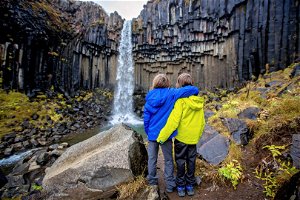
I was incredibly excited when I found out I was going to Iceland - it’s been at the top of my travel bucket list for years. I’d heard so many amazing things about the Laugavegur Trail, and in 2023 the BBC named it the most remarkable multi-day trek in the world, which only added to the anticipation. It’s easy to see why it’s so highly regarded, with four days of ever-changing landscapes, from multicoloured rhyolite mountains and geothermal fields to patchy snow even in the summer, black sand deserts, lava fields and lush, birch-filled valleys. Needless to say, I couldn’t wait to experience it for myself.

Image

You arrived in Iceland a day early. How did you spend your time in Reykjavik?

On our Laugavegur & Fimmvorduhals Trail Trek, you must arrive in Iceland a day early. The transfer picked us up on the first day of the trek at 7am in the morning and it was perfect opportunity to explore Reykjavik, the capital of Iceland. The city is compact, colourful and full of character, which made it easy to wander at a relaxed pace and soak up the atmosphere as a solo traveller.

I made sure to try the famous cinnamon bun (the city’s artisan bakery Brauð & Co turned them into an icon – it is a must if you are in Reykjavik), visited Hallgrímskirkja for panoramic views across the city's rooftops, explored the harbour area, and walked along the waterfront to the Sun Voyager sculpture. There are also plenty of cafés, street art corners, museums and souvenir shops to discover.

I rounded off the day with a great meal at one of Reykjavík's many restaurants, and it felt like the perfect way to ease into the adventure before heading out into Iceland's wild landscapes beyond the city.

Image

This is a hut-to-hut trekking holiday. What were the mountain huts like, and what should trekkers expect? Any home comforts or is it properly back-to-basics?

The huts along the Laugavegur Trail are simple, welcoming and wonderfully remote – each one feels like a small outpost in the middle of Iceland's wilderness. Having stayed in mountain huts in the Alps before, I was struck by how different the Icelandic huts are. Alpine huts often feel like cosy mountain lodges, whereas the huts along the Laugavegur Trail are much more back to basics but that's all part of the experience.

Most huts sleep between 20 and 80 people in shared dormitory-style rooms with bunk beds and mattresses. The facilities are simple, with communal kitchens equipped with gas stoves, outdoor toilets and showers, and no WiFi, phone signal, electricity or private rooms. It really is a chance to switch off and embrace life away from modern distractions. Everyone cooks their own meals, shares stories from the day's walk and settles into the rhythm of hut life together, creating a friendly atmosphere. You can also buy a small selection of basic supplies at each hut, and both cash and card payments are accepted. For me, staying in the huts made the trek feel even more authentic and memorable.

Image

What was the walking like day to day? How would you describe the terrain and the overall pace?

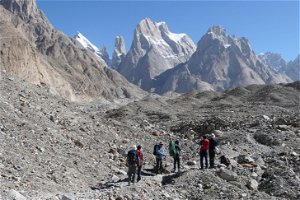
One of the things that makes the Laugavegur Trail such an unforgettable trek is how dramatically the scenery changes from one day to the next. It's difficult to describe just how different each day's landscape was. The daily distances range from around 11–19km and, while the trail isn't technically difficult, the varied terrain and ever-changing, exposed weather kept me on my toes.

Here's my breakdown of day by day:

Day 1 is the shortest day in distance but one of the tougher ones in terms of ascent. You climb steadily out of the geothermal valley, crossing colourful rhyolite hills and steaming vents. It’s a slow, steady climb with big views the whole way.

Day 2 is a spectacular day with long stretches across snow, then a descent into wide open valleys. The descent can be steep in places, but it’s hugely rewarding as the landscape opens up.

Day 3 feels faster and more rhythmic. You start with a river crossing, then walk through black sand deserts and lava fields. The trail is mostly flat, so you cover ground quickly. It’s less physically demanding but incredibly atmospheric.

Day 4 is the final day is varied and beautiful. You pass deep canyons, cross more sandy plains and eventually enter lush birch forests as you approach Þórsmörk. There are a few short climbs but nothing extreme. The changing scenery keeps your energy up, and reaching the greenery of Þórsmörk feels like stepping into another world.

Overall, the pace is steady and it really doesn’t get dark in Iceland in summer, so there is no rush. You would usually start the walk around 9:30am each day and would finish around 4:30pm-5pm. Each day feels different, and by the end you’ve walked through what feels like several countries’ worth of landscapes in just four days.

Image

If you had to choose one highlight landscape from the entire adventure, what would it be?

If I had to pick one standout landscape, it would be the black sand desert of Mælifellssandur on Day 3. It was unlike anywhere I'd ever been before and genuinely felt otherworldly. Stretching out in every direction was a huge expanse of black volcanic ash and lava fragments, with the trail carving a thin line through the middle. The terrain itself was relatively straightforward underfoot to walk, but the scenery was simply breathtaking. It was one of those rare places that makes you stop, look around and appreciate just how small you are in the middle of nature. It's a view I' doubt I’ll ever forget.

Image

Iceland's weather has a reputation for being unpredictable. How was the weather on your trip?

The weather on the Laugavegur Trail surprised me in the best possible way. I'd always heard that Iceland can throw all four seasons at you in a single day, so I arrived expecting a mix of rain, snow and strong winds. Instead, we were incredibly lucky and didn't see any rain during the first four days of the trek. Our guide kept reminding us how unusual that was, saying it's rare to enjoy such a long spell of settled weather in the Icelandic highlands.

That said, you can never take Iceland's weather for granted. Even on sunny days, the wind was strong and the temperatures could change quickly, so I was glad I'd packed for every eventuality. My lightweight down jacket and waterproof jacket turned out to be the most essential piece of kit. If you're going to Iceland, my advice would be to pack as though the forecast is lying – because it usually is. If the weather stays dry, it’s a bonus, but you’ll appreciate having the right layers regardless.

Image

What did you do after the hike of the day had finished?

It was always a great feeling to arrive at the next hut. Most evenings followed a similar routine: finding a bunk, enjoying a hot shower, changing into clean, comfortable layers and grabbing a hot drink in the communal kitchen. After that, everyone relaxed in their own way. Some people chatted about the day's walk and compared their favourite landscapes, while others simply sat outside and took in the incredible surroundings.

At the start of the trip, we were split into four groups, with each group responsible for preparing one evening meal, the following morning's breakfast and washing up on a designated day. It worked well and gave everyone a chance to contribute. Each evening we'd gather around the table to enjoy a hot meal together, swap stories from the day's hike and chat about what lay ahead. It was simple, social and exactly what you want after a long day on the trail. With another day's hiking ahead, there weren't many late nights. Most of us were tucked up in beds by around 8.30 or 9pm, ready to do it all again the next day.

Image

Finally, what advice would you give to someone planning to hike the Laugavegur Trail?

If I could give one piece of advice, it would be this: prepare well, but don't overthink it. The Laugavegur Trail is challenging, but it's also incredibly rewarding, and having the right mindset is just as important as having the right kit.

A few things I'd definitely recommend are:

  • Pack for every season, every day – Iceland's weather changes quickly, so reliable waterproofs are non-negotiable.

  • Invest in well broken-in hiking boots with good ankle support, along with comfortable socks – your feet will thank you after long days on the trail and it’ll save your trip.

  • Bring trekking poles if you have them and are experienced with walking with them, as they really helped make the longer walking days more comfortable.

  • Respect the remoteness by carrying the essentials, including a small first aid kit, snacks and plenty of layers.

  • Embrace the simplicity of hut-to-hut trekking and enjoy the social side of the experience – the evenings spent sharing stories over dinner were some of my favourite moments.

Most importantly, go with an open mind and a sense of adventure. If you do, you'll be rewarded with incredible scenery, unforgettable memories and one of the most unique trekking experiences you'll ever have.

Footer logos
Your Wishlist
No Wishlist Items

Start your next adventure.

Click the heart icon on the search or holiday pages to save a holiday to your wishlist.

Holiday Search